Your Child Was Just Diagnosed With Celiac Disease—Here Are the 5 Things to Do First
Your Child Was Just Diagnosed With Celiac Disease—Here Are the 5 Things to Do First

If your child was just diagnosed with celiac disease, you're probably feeling a mix of relief, fear, and uncertainty about the future. You may have 100 unanswered questions that have come one after the other since walking out of that gastroenterology office.
That's exactly how I felt when my daughter was diagnosed just before her fifth birthday.
For a long time, I knew something wasn't right. She complained about stomach pain every day, and I remember thinking, ‘Whatever she's allergic to... it’s in a lot of foods.’ When we finally got the diagnosis, I felt relieved to have an answer. But that relief paled in comparison to the questions and thoughts that took over.
What will life be like for her now?
Do I need to replace everything in my kitchen?
How does she stay safe at pre-K?
What about birthday parties, vacations, or eating at someone else's house?
If your mind feels like it's racing, you're not alone.
I remember shifting into “learn everything right now mode.” Because even though I was already a Registered Dietitian, I was overwhelmed. The grocery store aisles felt like they were closing in on me. Ingredient labels seemed confusing, and every social event became something I had to prepare for.
Looking back, I wish someone had sat me down and said, "You don't have to figure everything out today."
You don't need all the answers right now. You simply need to know what comes next.
Parents deserve more than a diagnosis and a list of foods to avoid. They deserve a roadmap that helps them focus on what matters first, so they can feel some relief, confidence, and less overwhelm from the start.
The Biggest Mistake I See Parents Make
One of the biggest mistakes I see is that parents think they have to learn everything immediately.
And it isn’t wrong to feel this way. Maybe you can relate?
You’ve been researching, joining every gluten-free Facebook group it suggests.
You’re listening to podcasts and asking ChatGPT for help.
You read article after article.
Before long, you've collected hundreds of pieces of information, but no clear plan for putting it all together. Learning too much isn’t the issue. The issue is that you're trying to learn everything at once instead of focusing on what matters first.
Keep reading to learn the five priorities I recommend focusing on during the first few weeks after your child's diagnosis.
Start Here: Five Priorities for the First Few Weeks
1. Take the Foods First Approach
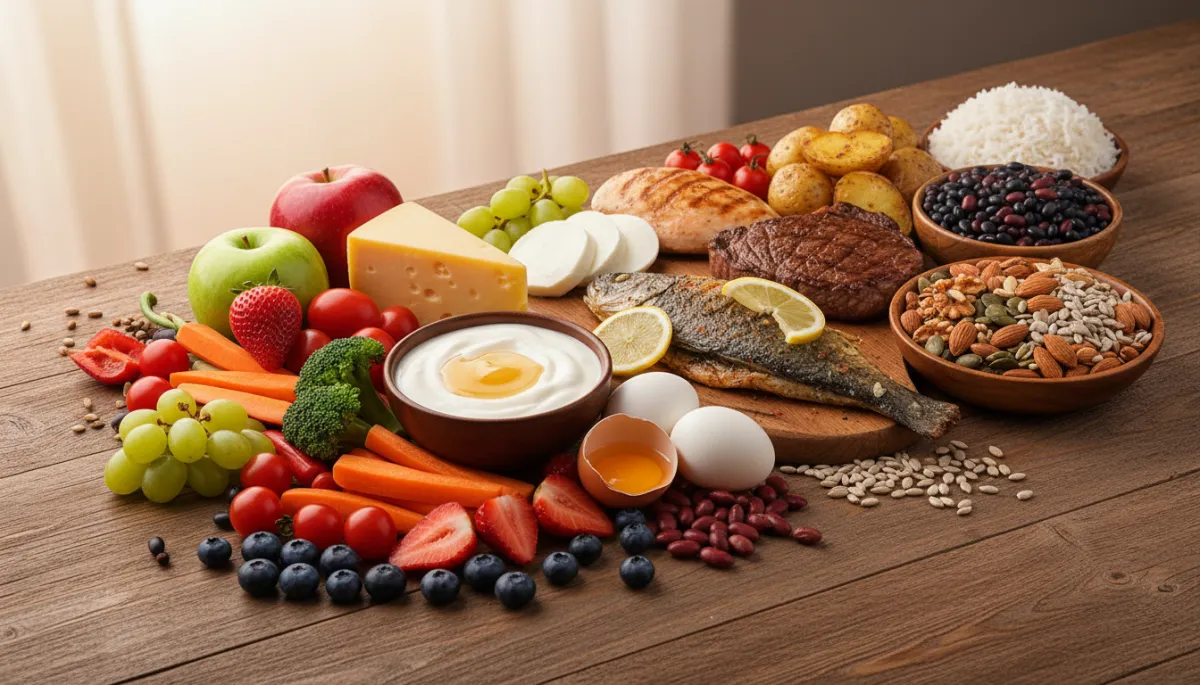
Let’s first focus on the foods you can feed your child, because they need to eat while all the other things get figured out later. You can use a list of naturally gluten-free foods.
Start with naturally gluten-free foods that don't require you to decode ingredient labels or search specialty aisles.
Think:
Fresh fruit
Vegetables
Yogurt
Eggs
Cheese
Chicken
Beef
Fish
Beans
Nuts and seeds (if age-appropriate)
Potatoes
Rice
For kids, this might look like:
Unsweetened applesauce
Freeze-dried strawberries
Baby carrots
Raisins
Cheese sticks
Deli meat (gluten-free)
Yogurt drinks
Roasted chickpeas or edamame
Seaweed snacks
Nuts
Peanut butter packets
Chicken, turkey or beef sticks
Corn tortilla chips
Rice cakes
Tuna salad
Sweet potatoes
Pickles
Notice something? Your child still has plenty of nourishing foods they can eat. That realization alone often helps parents take their first deep breath. There will be time to learn gluten-free brands and specialty products.
Right now, let's make sure your child is fed.
2. Learn the Gluten-Free Basics

The gluten-free diet is currently the only treatment for celiac disease.
That means learning where gluten hides, how to read ingredient labels, and how to reduce the risk of cross-contact. You’ll get some guidance in my Mastering Gluten-Free Labels Guide.
But don't feel like you have to replace your entire kitchen or buy every gluten-free product on your next grocery trip.
Start with the basics. Trust me with this one.
Focus on learning:
Where gluten is found
How to read ingredient labels
The basics of preventing cross-contact
As you learn the basics, your confidence will naturally grow. And your child will get a chance to get familiar with new foods over time.
3. Create a Few Safe, Reliable Meals

One of the quickest ways to reduce stress is to stop trying to reinvent every meal.
Instead, think simple.
Choose five to ten meals your family already enjoys and make gluten-free swaps where needed. If any of your dinners include bread, let's pause on including them in this list. It can take a little time to find a gluten-free bread your family actually enjoys.
When everything else feels unfamiliar, having a handful of meals you know your family enjoys can bring a sense of normalcy back to the table.
You can expand your menu later.
Begin with the meals your family already enjoys and make small adjustments where needed.
Here are a few examples below:
Taco bowls with rice
Baked potatoes with chili
Scrambled eggs, fruit, and yogurt
Grilled chicken, roasted potatoes, and green beans
Rice pasta with meat sauce
Homemade fried rice
Loaded nachos made with certified gluten-free tortilla chips
You don't need hundreds of gluten-free recipes. You need a handful of meals your family enjoys and a simple system you can rely on.
4. Understand That Gluten-Free is Just the Start

One of the biggest misconceptions about celiac disease is that once gluten is removed, the job is done.
Removing gluten stops the damage.
Healing takes time.
Your child's small intestine has likely been injured for months—or even years—before diagnosis. Now their body needs the nutrients to repair, rebuild, and catch up.
That doesn't mean chasing a perfect way of eating. It means consistently offering balanced meals with protein, fruits and vegetables, healthy fats, and naturally gluten-free carbohydrates that nourish a growing body.
Think of going gluten-free as removing the roadblock. Good nutrition helps support their recovery so they can heal, grow, and feel their best.
5. Create a “Right Now List”
After a celiac diagnosis, many parents feel like they need to think five steps ahead to keep their child safe. We love our kids, so we naturally feel the need to anticipate every situation they may face.
But here's something I wish someone had told me when my daughter was diagnosed:
You do not have to be prepared for every situation today to be a good parent.
Your mind might already be jumping to birthday parties, field trips, holidays, vacations, or wondering what will happen with their dating life. But trying to solve every future situation today often leaves parents feeling more overwhelmed than prepared.
You want your child to be safe. You don't want them to feel left out. And you definitely don't want to make a mistake.
One of the first things I encourage parents to do is create what I call a "Right Now List." That’s because trying to solve tomorrow's problems today usually creates more anxiety than confidence.
Whenever your mind fast-forwards to weeks, months, or even years ahead, come back to one simple question:
What does my child need from me right now?
Maybe that means:
Finding one safe breakfast they'll actually eat.
Communicating with a party host about your child’s celiac disease.
Cleaning out one pantry shelf.
Sending an email to the school nurse.
Packing tomorrow's lunch.
That's enough for right now.
Tomorrow may bring a different question, and when it does, you'll learn that too.
For today, ask yourself:
What does my child need from me right now?
You don’t have to be five steps ahead, and there’s no need to put that kind of pressure on yourself. Trust that you'll learn what you need when the time comes.
Remember These Five Priorities
When your child is diagnosed with celiac disease, you might feel like your world has been turned upside down. It’s almost like you've been handed a puzzle without the picture on the box.
But now you have a starting point.
Instead of trying to solve everything at once, focus on these five priorities:
Feed your child.
Learn the gluten-free basics.
Keep meals simple.
Support your child's healing.
Create your Right Now List.
Then take the next step when you're ready.
You Don't Have to Figure This Out Alone

If there's one thing I hope you take away from this article, it's this:
You don't have to know everything today. You need to know what comes next.
The hard part is that most parents are expected to figure that out on their own.
After my daughter's diagnosis, I quickly realized how little support exists for families. We were told to remove gluten and sent on our way, as if learning to navigate school lunches, birthday parties, cross-contact, healing, growth, and everyday life would somehow just fall into place.
It doesn't.
Learning how to live with celiac disease isn't something most parents were ever taught.
That's why I created my Celiac Clarity Consultation Call.
This isn't another appointment where someone hands you a pamphlet and sends you on your way.
It's a chance for us to slow down, look at your family's unique situation, and identify what matters most right now.
You don't have to spend months piecing together advice from Google and Facebook groups, though they can truly be a helpful start.
You can have a blueprint. One that helps you feel confident feeding your child, navigating everyday life, and supporting their healing.
Ready for your next step?
Book your complimentary Celiac Clarity Consultation Call, and you'll have a safe space to share your child's diagnosis and health history. Together, we’ll uncover the biggest challenges you’re facing and outline clear next steps to protect your child’s health while lifting your mental load.
FAQs: Common Questions After a Child’s Celiac Diagnosis
Below are answers to some of the most common questions parents ask in the first few weeks after diagnosis.
What do I do first after my child is diagnosed with celiac disease?
Start by making sure your child has safe foods they enjoy eating. These would first be foods that don't naturally contain gluten, like fruits, vegetables, dairy, nuts, legumes, meats, and fish. If you'd like more support as you navigate these first few weeks, be sure to explore my free resources for parents of newly diagnosed children with celiac disease.
Do I need to make my whole house gluten-free?
That choice is up to you. Some families choose to keep a mixed kitchen, while others feel more at ease going fully gluten-free. In a mixed kitchen, what matters most is reducing cross-contact—things like shared toasters, cutting boards, and condiments where crumbs can hide. Over time, you can decide what feels sustainable and safest for your family.
How long will it take for my child to feel better?
Every child is different. Some kids notice improvements in energy, appetite, or stomach pain within a few weeks of going gluten-free. For others, it can take several months or even a year for symptoms to fully improve and for growth to catch up. Healing is a process, and your medical team will help monitor progress over time.
Should my other children be tested for celiac disease?
Yes. Celiac disease runs in families, and first-degree relatives (parents, children and siblings) have a 1 in 10 chance of having celiac disease too. Therefore, it's best to have other kids tested as well, even if your other children don't have any obvious symptoms.
